

In today's digital age, our lives are increasingly intertwined with the internet. While this brings countless opportunities for connection and convenience, it also exposes us to a range of security threats, particularly from hackers. As cyberattacks become more sophisticated, individuals and businesses alike seek robust solutions to safeguard their sensitive information. One such solution that has gained significant attention is the Virtual Private Network, or VPN. But the question remains: does a VPN truly protect against hackers?
VPNs are designed to enhance privacy and security while you browse the internet by encrypting your data and masking your IP address. This can significantly reduce your exposure to hacking attempts and help you navigate the web with greater peace of mind. However, the effectiveness of a VPN in protecting your personal information is not just about using the service; it's also about understanding what a VPN can and cannot do in terms of cybersecurity. In this article, we will explore how VPNs function, their role in keeping your internet connection secure, and why employing a reliable VPN service is essential for anyone looking to fortify their online presence against potential threats.
Understanding VPN Technology

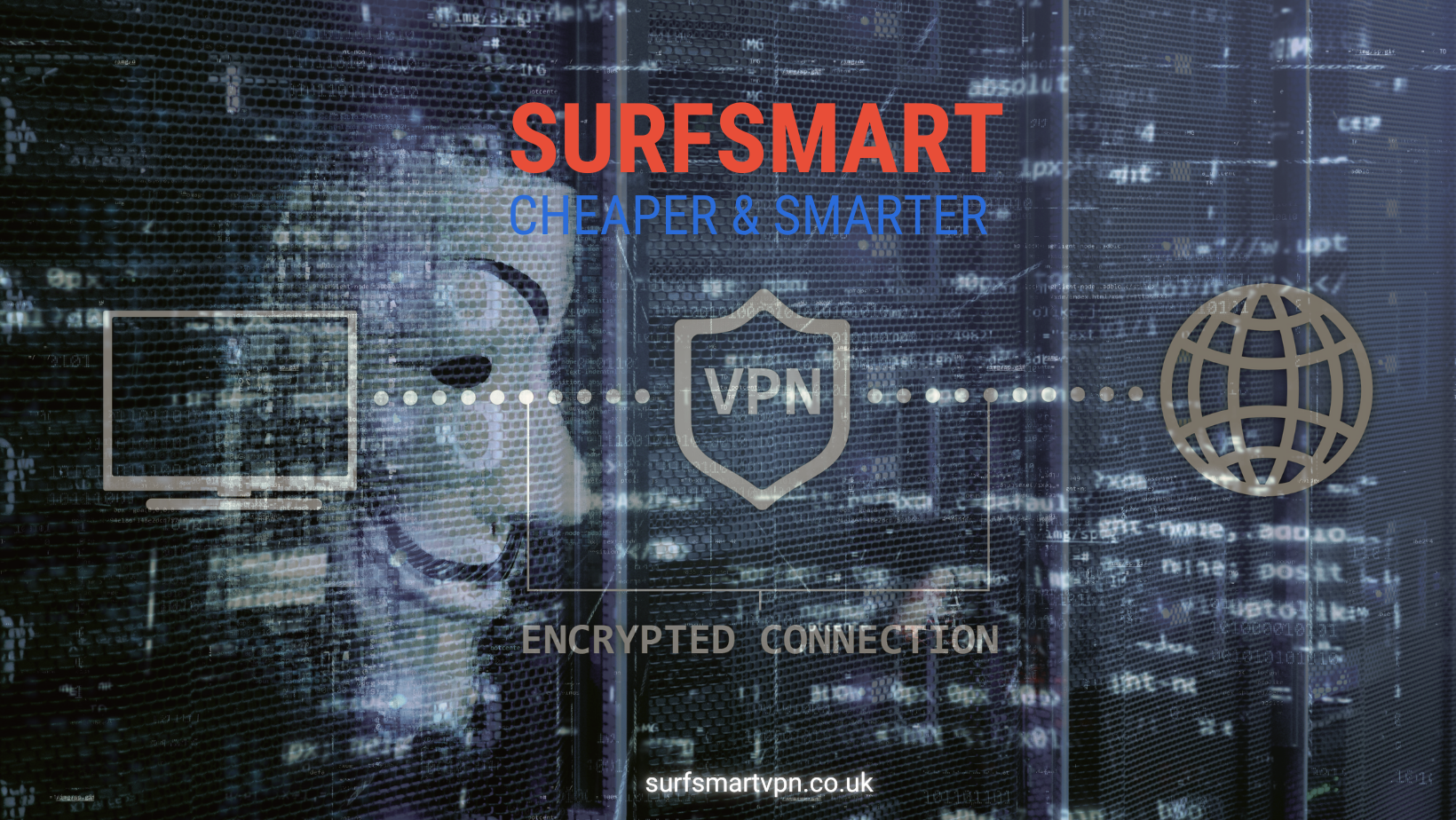
A Virtual Private Network, or VPN, is a technology that creates a secure and encrypted connection between your device and the internet. By routing your internet traffic through a remote server, a VPN hides your IP address and protects your online activities from potential prying eyes. This ensures that your personal information remains confidential, making it more difficult for hackers to access your data.
One of the essential components of VPN technology is encryption. When you connect to a VPN, your data is encoded in a way that only the intended recipient can decode it. This encryption is vital for securing your internet connection, especially when using unsecured networks such as public WiFi. It acts as a protective barrier, preventing hackers from intercepting your data transmissions and stealing sensitive information.
Moreover, using a reputable VPN service can significantly enhance your online privacy. Many VPN providers offer additional security features, such as a kill switch and DNS leak protection, which bolster your defense against cyber threats. By obscuring your digital footprint and securing your connection, VPNs play a crucial role in lowering your exposure to hacking and safeguarding your personal information online.
How VPNs Enhance Online Privacy
Using a Virtual Private Network (VPN) significantly enhances online privacy by encrypting internet traffic and masking users' IP addresses. This encryption ensures that any data transmitted between a user and the VPN server remains secure and private. When browsing the internet, a user's actual IP address is hidden, making it difficult for hackers and third parties to track their online activities or determine their physical location. This added layer of anonymity is crucial in protecting personal information from potential cyber threats.
Furthermore, VPNs help prevent unwanted data collection by websites and advertisers. Many online services track user behavior and gather personal information for various purposes, including targeted advertising. By using a VPN, users can reduce their digital footprint, making it harder for these entities to gather data. This is especially important in today's digital landscape, where privacy concerns are rising, and users want greater control over their personal information.
Another benefit of using a VPN is the ability to securely access public WiFi networks. Often, does VPN protect against hackers are susceptible to various cyber threats, including data interception and man-in-the-middle attacks. With a VPN, users can enjoy a safer online experience by encrypting their connections, ensuring that even on unsecured networks, their data remains protected from prying eyes. This makes a VPN an essential tool for anyone seeking to maintain their online privacy while surfing the internet, especially in public spaces.
The Role of Encryption in VPNs
Encryption is a fundamental aspect of how Virtual Private Networks (VPNs) protect your online activities. When you connect to a VPN, your internet traffic is wrapped in a secure layer of encryption. This process helps to obscure your data from prying eyes, ensuring that even if a hacker manages to intercept your connection, the information remains unreadable. By translating the original data into a coded format, encryption acts as a formidable barrier against unauthorized access.
VPNs typically use advanced encryption protocols to safeguard user information. Strong encryption algorithms, such as AES-256, are commonly employed to provide a high level of security. This means that breaking the encryption would require an immense amount of computational power and time, effectively making it impractical for most hackers. As a result, users can browse the internet with greater confidence, knowing that their personal information is well protected from potential threats.
In addition to safeguarding data in transit, encryption also plays a crucial role in preserving privacy. When browsing without a VPN, your data can be visible to various entities, including Internet Service Providers (ISPs) and potential hackers on shared networks. By encrypting your internet traffic, a VPN ensures that your online activities remain confidential, allowing you to communicate and access information without fear of being monitored or targeted by cybercriminals. This encryption is especially vital when using public Wi-Fi networks, where the risk of data breaches is significantly heightened.
VPNs vs. Traditional Security Measures
When comparing VPNs to traditional security measures, it is essential to recognize the unique advantages that a VPN offers. While firewalls and antivirus software provide a layer of protection against malware and unauthorized access, they often do not secure internet traffic itself. A VPN, on the other hand, encrypts data as it travels over the internet, ensuring that any sensitive information remains hidden from potential attackers. This added layer of encryption can significantly reduce the risk of data breaches and hacking attempts.
Traditional security measures are often limited to protecting devices and networks from known threats. They rely on up-to-date signatures and rules to identify and block malicious activities. However, hackers continuously evolve their tactics, which can leave traditional security measures vulnerable to new types of attacks. A VPN, by anonymizing the user's online activity and masking their IP address, provides an additional level of anonymity that traditional security methods cannot replicate. This makes it more difficult for hackers to target specific individuals or exploit weaknesses in traditional security systems.
Moreover, while traditional security measures typically focus on post-intrusion detection or prevention, a VPN proactively safeguards the data being transmitted. This proactive approach is particularly crucial in environments with high risks, such as public WiFi networks. By encrypting internet traffic, a VPN helps prevent hackers from intercepting personal information, making it a vital tool for those looking to enhance their online security beyond what traditional measures can offer.
Common Misconceptions About VPNs
One of the most prevalent misconceptions about VPNs is that they provide complete anonymity online. While VPNs do mask your IP address and encrypt your internet traffic, they cannot make you completely invisible to all forms of tracking. Websites and online services may still utilize cookies and other tracking methods to gather data about your browsing habits. Users should understand that while VPNs enhance privacy, they are not a total safeguard against all tracking mechanisms.
Another common belief is that using a VPN will make you invulnerable to hacking. While VPNs do add a layer of security by encrypting your connection, they do not eliminate the risk of cyberattacks altogether. Hackers can still exploit vulnerabilities in the devices themselves or use social engineering techniques to gain access to personal information. It is crucial for users to adopt good security practices in conjunction with using a VPN to better protect their data.
Some people think that all VPNs offer the same level of security and privacy. This is not true, as the effectiveness of a VPN depends on various factors including its encryption protocols, logging policies, and the jurisdiction it operates in. Selecting a reputable VPN that prioritizes user privacy and employs strong security measures is essential for optimal protection against potential threats online.
Limitations of VPN Protection
While VPNs offer significant benefits in enhancing online security, they are not a comprehensive solution against all forms of cyber threats. One major limitation is that a VPN primarily secures your internet connection by encrypting data; however, it does not protect against malware, phishing attacks, or other types of cyber intrusions. If users are not cautious about the websites they visit or the links they click, they may still fall victim to hacking attempts.
Another important consideration is that a VPN does not safeguard the user’s device from vulnerabilities. If a hacker exploits weaknesses in your device's operating system, software, or applications, they might still gain access to your sensitive data, regardless of VPN usage. Therefore, combining VPN usage with robust cybersecurity practices, such as regular software updates and antivirus protection, is crucial for a more comprehensive defense.
Additionally, the effectiveness of a VPN can vary based on specific factors such as the provider's policies, logging practices, and security measures. Some VPNs may not offer strong encryption methods or may keep logs of user activity, potentially jeopardizing user privacy. This underscores the importance of selecting a reputable and trustworthy VPN service to truly enhance protection against hacking attempts.
Choosing the Right VPN Service
When selecting a VPN service, it is crucial to prioritize strong security features. Look for providers that offer robust encryption protocols, such as OpenVPN and WireGuard, as these technologies ensure that your data is protected against unauthorized access. Additionally, consider VPNs that implement a strict no-logs policy, meaning they do not store any information about your online activities. This helps to maintain your privacy and reduces the risk of data exposure.
Another essential factor to consider is the VPN's server network and geographical coverage. A comprehensive network of servers allows you to access content from different regions while providing better speed and stability for your connection. Choose a VPN service that offers servers in countries relevant to your needs, whether for content access or enhanced security. Furthermore, investigate the performance of the VPN in terms of speed and reliability, as these elements are vital for a satisfactory online experience.
Finally, user-friendliness and customer support should not be overlooked. A good VPN service should have an intuitive interface, making it easy for anyone to initiate and manage the connection. Additionally, responsive customer support can help you address any issues that may arise, ensuring a secure and smooth experience. By carefully evaluating these aspects, you can choose a VPN service that effectively protects you against hackers while enhancing your online privacy.
Best Practices for Using VPNs
To ensure the highest level of security while using a VPN, it's important to choose a reputable provider with a strong commitment to privacy. Look for VPNs that have a no-logs policy, meaning they do not keep records of your online activities. Additionally, select a service that offers robust encryption methods, such as OpenVPN or WireGuard, to protect your data from potential interception. Reading reviews and researching the provider's background can help you make an informed choice.
When connecting to a VPN, always enable the kill switch feature if available. This security measure automatically disconnects your internet access if the VPN connection drops, preventing your data from being exposed. It's also wise to regularly update your VPN client to ensure you have the latest security patches and features. Connecting to servers that are geographically closer to you can improve both speed and security.
Finally, combining VPN use with other security measures enhances your online safety. Use strong, unique passwords for your accounts and enable two-factor authentication wherever possible. Be cautious of phishing attempts and malicious websites, as a VPN alone cannot protect you from all cyber threats. By following these best practices, you can significantly reduce your vulnerability to hacking while enjoying the benefits of a secure internet connection.
Real-World Examples of VPN Effectiveness
Many users have reported significant security improvements after using a VPN in various scenarios, illustrating its effectiveness in safeguarding sensitive information. For instance, a businessman traveling abroad connected to a public WiFi network at an airport without a VPN and found his personal emails exposed to potential threats. After adopting a VPN, he successfully encrypted his data, ensuring that even if someone attempted to intercept the connection, they would be unable to access his sensitive information.
A well-known case involved a journalist working in a country with heavy internet censorship. By using a VPN, she was able to bypass government restrictions while ensuring her communications remained private and secure. This allowed her to investigate sensitive topics without the fear of being monitored or hacked, demonstrating how a VPN can offer protection against targeted attacks and data breaches.
Another example comes from a team of remote workers handling sensitive client information. They implemented a reputable VPN to protect their data from potential hackers targeting their home networks. The result was a marked decrease in security incidents, as the encryption provided by the VPN kept unauthorized individuals from accessing their online activities. These real-world instances highlight the vital role that VPNs play in securing personal and professional data against hackers.
Conclusion: Is a VPN Worth It?
In today's digital landscape, the risk of data breaches and hacking attempts continues to escalate. Using a VPN can significantly enhance your online security by masking your IP address and encrypting your internet traffic. This makes it much more difficult for hackers to intercept sensitive data and offers a vital layer of protection against various cyber threats. For individuals who frequently access public WiFi networks or engage in online banking, a VPN is a worthwhile investment to safeguard personal information.
Moreover, the encryption provided by a VPN adds another formidable barrier between your data and potential cybercriminals. By keeping your online activities private, a VPN not only minimizes the risk of data theft but also helps protect against targeted cyberattacks. Those who prioritize their online privacy and seek to control their digital footprint will find that a reputable VPN service goes a long way in ensuring a safer internet experience.
Finally, while no security measure is foolproof, the benefits of using a VPN in reducing exposure to hackers cannot be overlooked. It is a practical tool that enhances your internet connection's security and provides peace of mind in an increasingly vulnerable online world. For anyone concerned about privacy and security, investing in a quality VPN is certainly a step worth considering.